My Favorite Autism Website
Embrace-Autism This website is a great place to start, whether you are still wondering if you’re on the spectrum, or you already know you are Autistic. There are many self-tests and nearly 300 articles on nearly every aspect of Autism imaginable. They also offer professional assessments and diagnoses if you wish to pursue them.
Books about Autism
I include books and products that I think are useful and have been helpful to me.
(Note: some of these books use the term Asperger’s or Asperger Syndrome which was commonly used prior to being removed from the DSM-V)
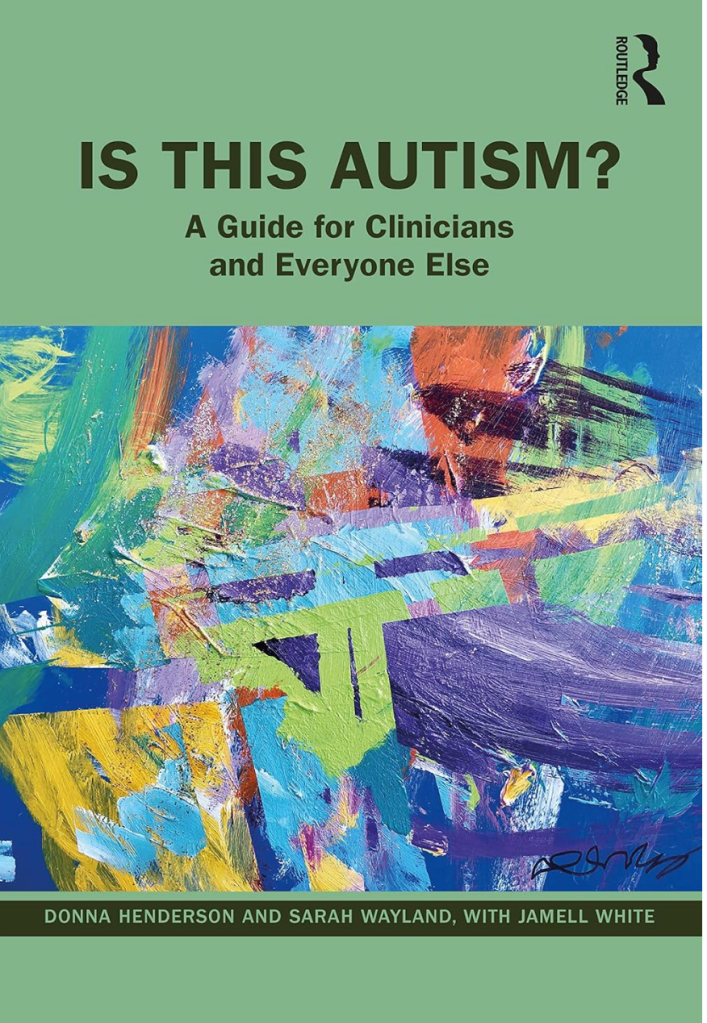
Is This Autism? A Guide for Clinicians and Everyone Else – An up to date resource that presents and expansive picture of what autism is and how it presents in a variety of people.
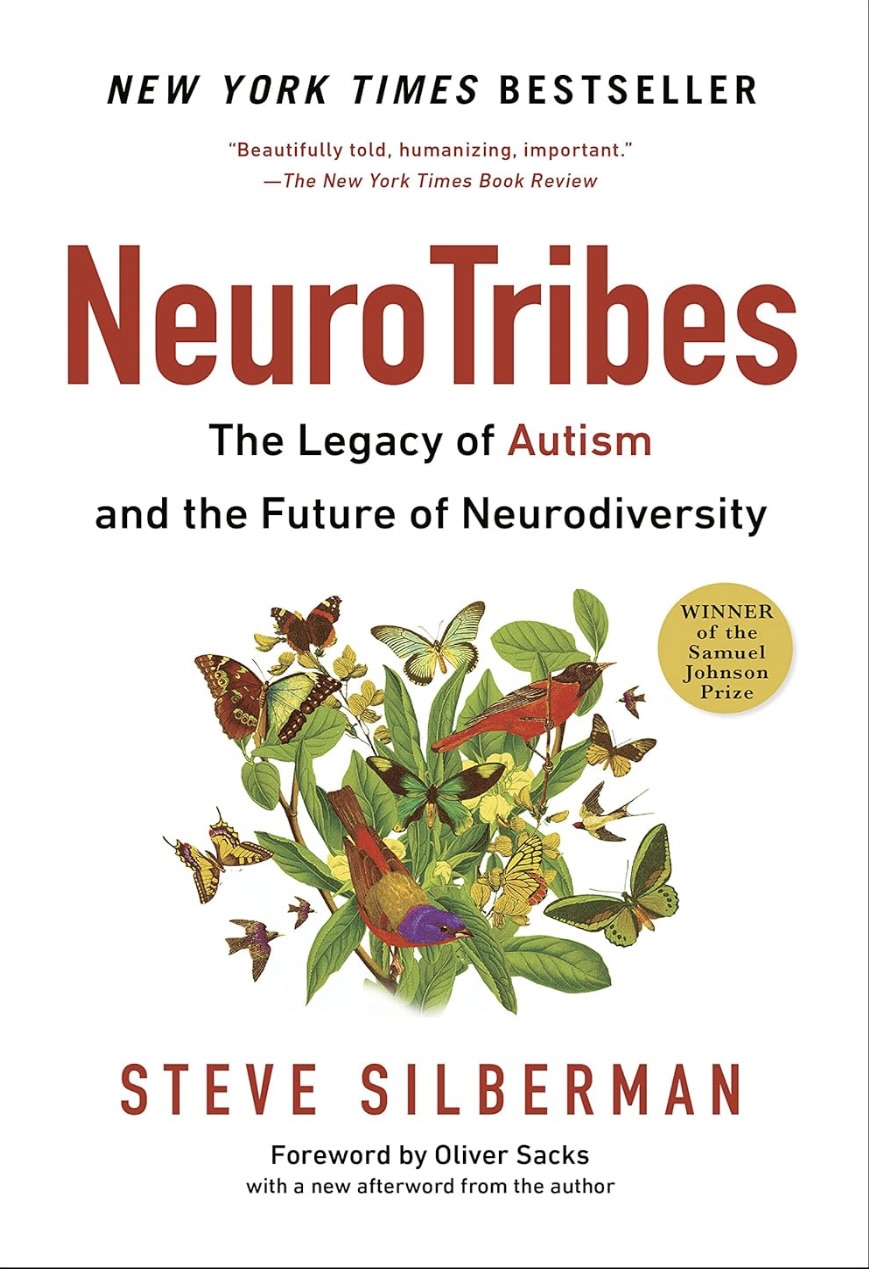
NeuroTribes – The Legacy of Autism and the Future of Neurodiversity by Steve Silberman. This is a comprehensive history of Autism from the earliest days of its “discovery” until our time.
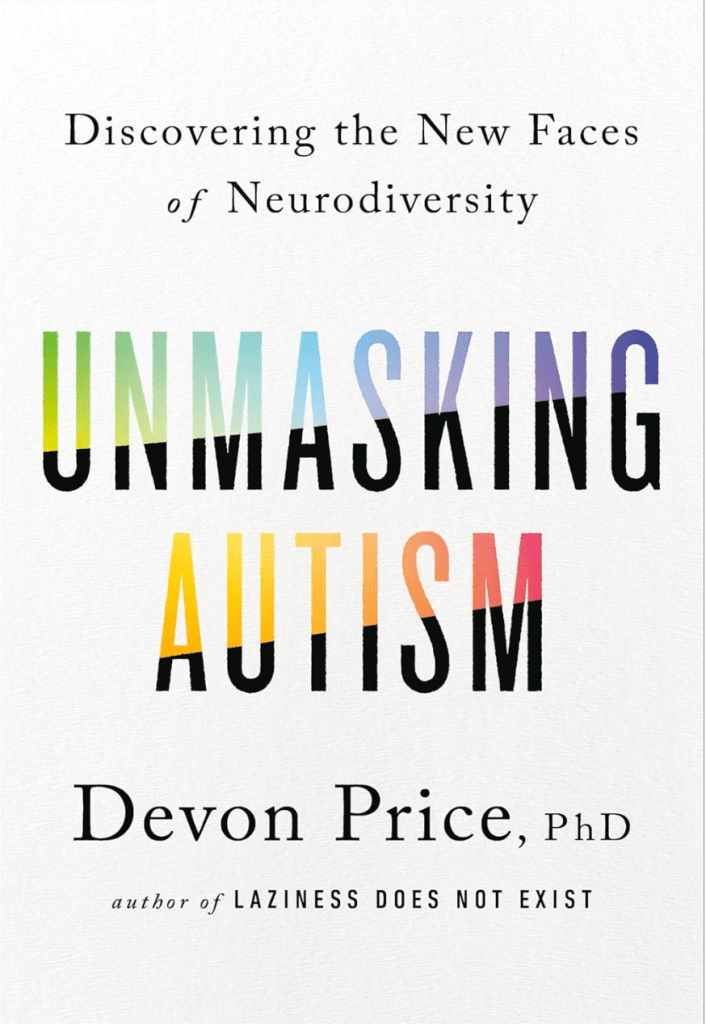
Unmasking Au/tism – Discovering the New Faces of Neurodiversity by Devon Price, PhD. Possibly my current favorite book about Autism. The author describes his discovery of his own Autism and also provides exercises for the reader’s self discovery. Dr. Price enthusiastically supports Autistic people being their authentic and joyful selves.
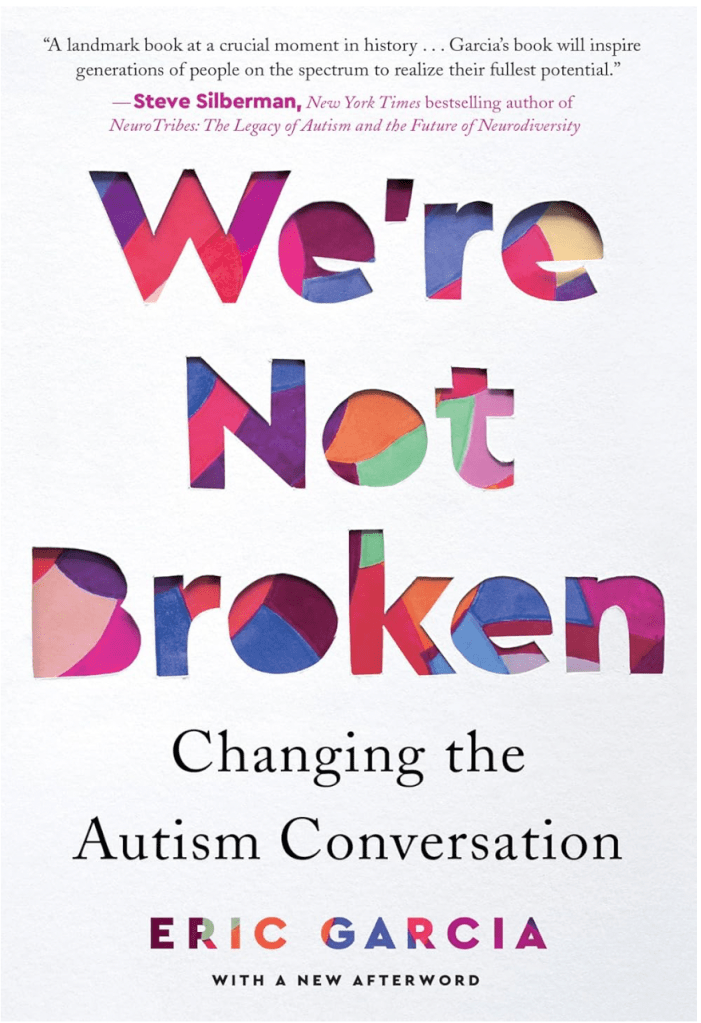
We’re Not Broken – Changing the Autism Conversation by Eric Garcia. Another book that seeks to empower Autistic folks with some focus on the workplace.
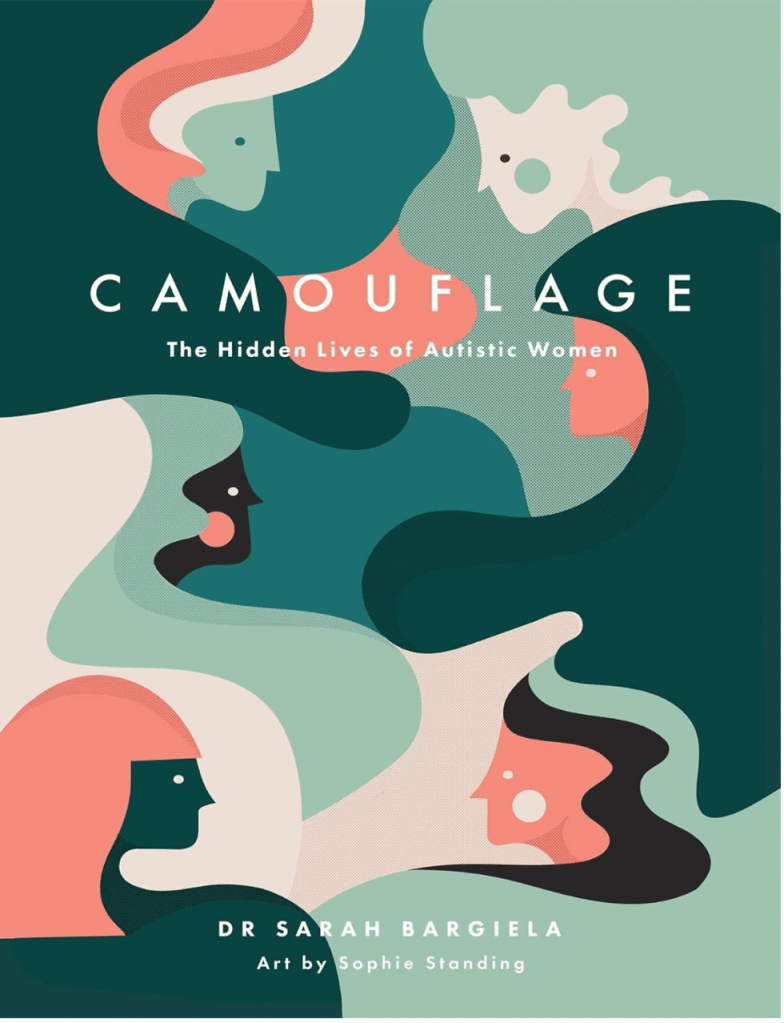
Camouflage – The Hidden Lives of Autistic Women by Dr. Sarah Bargiela. A slim but beautiful and valuable volume that specifically focuses on how Autistic women mask and camouflage their true selves.
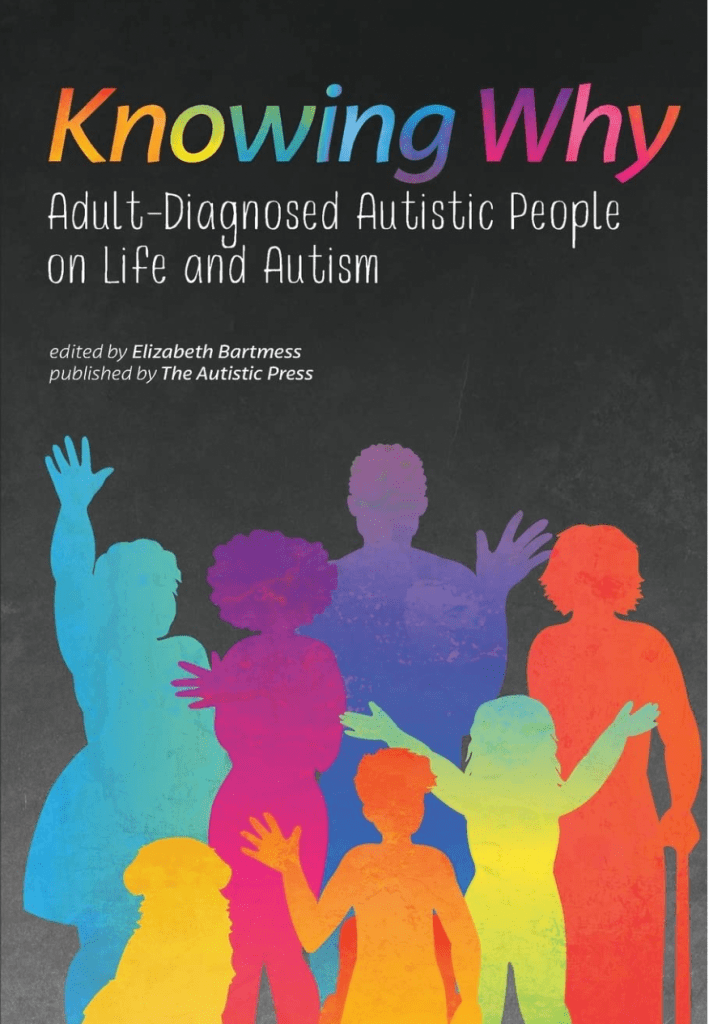
Knowing Why – Adult-Diagnosed Autistic Peop[le on Life and Autism – Elizabeth Bartmess, editor. From Amazon’s description: This anthology includes essays from a diverse group of adult-diagnosed autistic people. Our essays reflect the value of knowing why—why we are different from so many other people, why it can be so hard to do things others can take for granted, and why there is often such a mismatch between others’ treatment of us and our own needs, skills, and experiences. Essay topics include recovering from burnout, exploring our passions and interests, and coping with sensory overload, especially in social situations.
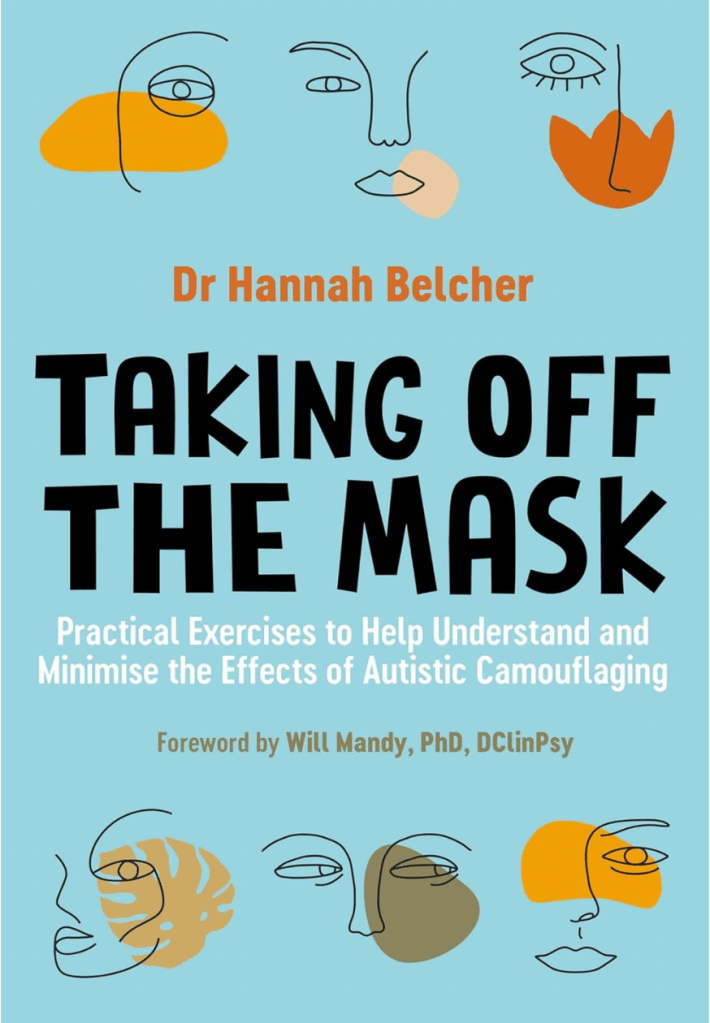
Taking Off the Mask – Practical Exercises to Help Understand and Minimize the Effects of Autistic Camouflaging by Dr. Hannah Louise Belcher. From Amazon’s description: Growing up autistic can often feel as though you have to become a chameleon in social situations, camouflaging yourself to fit in with a seemingly neurotypical world. Combining lived experience with scientific research and practical advice, this book is the essential guide to understanding why you mask and how to feel confident without one.
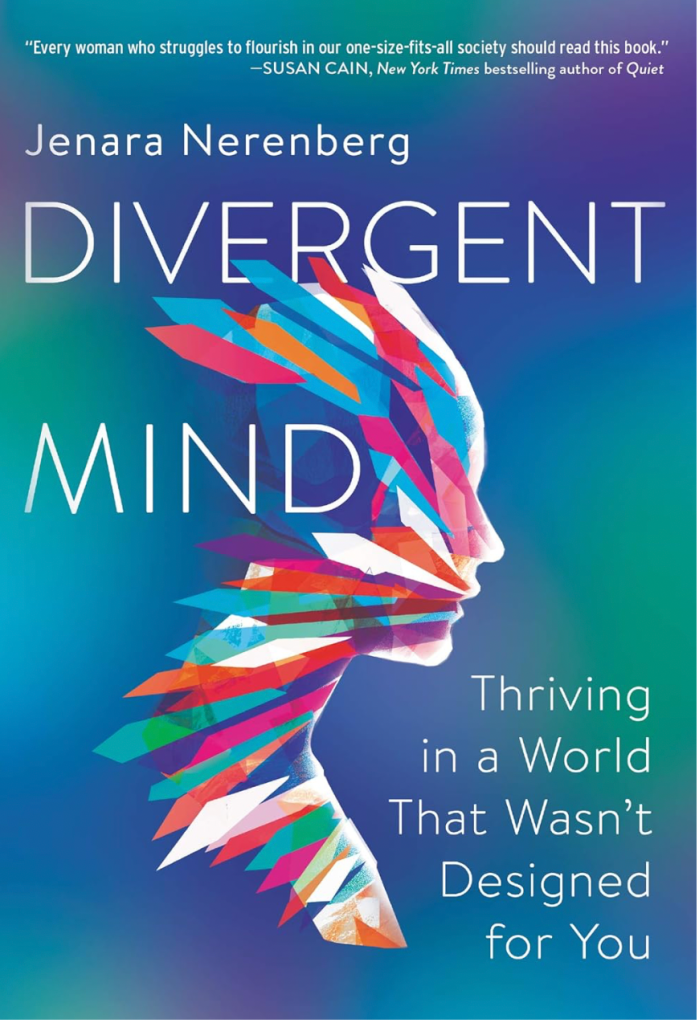
Divergent Mind: Thriving in a World That Wasn’t Designed for You by Jenara Nuremberg. This book is partly a first person account of the author’s late autism diagnosis and part passionate advocacy for acceptance and celebration of neurodiversity. I found it somewhat basic, but valuable.

Pretending to be Normal – Living with Asperger’s Syndrome – Liane Holliday Willey. Another first person account, albeit somewhat older (hence the use of “Asperger’s”). Liane describes growing up autistic without knowing it and how she came to understand herself after her child’s diagnosis. The author has learned to celebrate her differences and is candid about her challenges.
Workbooks
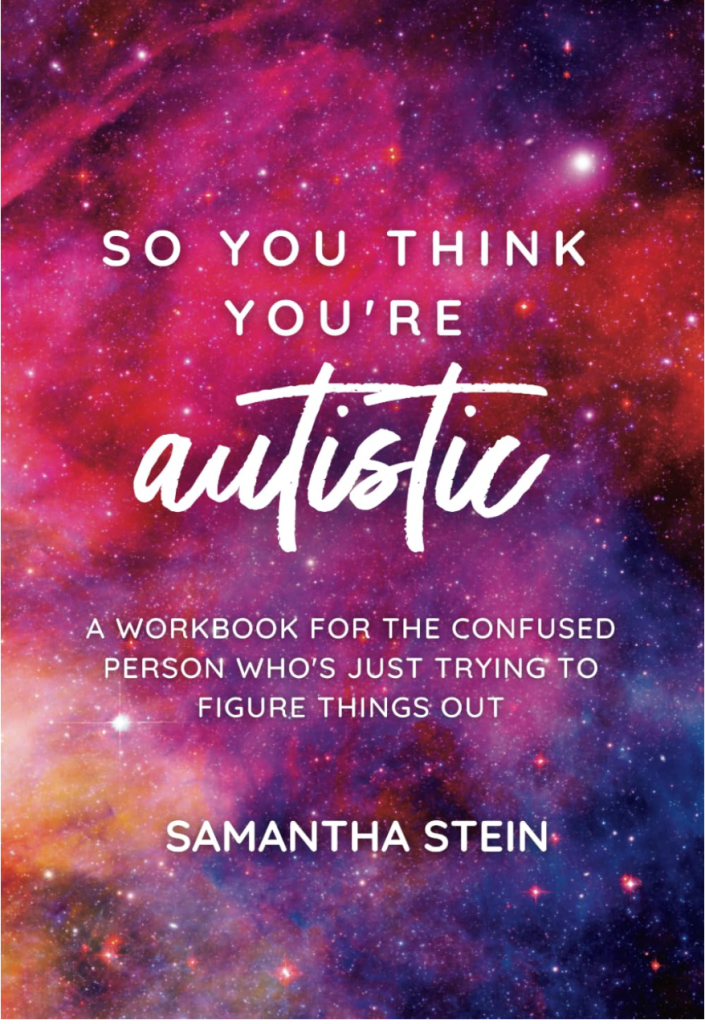
So You Think You’re Autistic – A Workbook for the Confused Person Who’s Just Trying to Figure Things Out – Samantha Stein. Samantha, known on YouTube as Yo Samdy Sam has created a lovely and very accessible workbook.
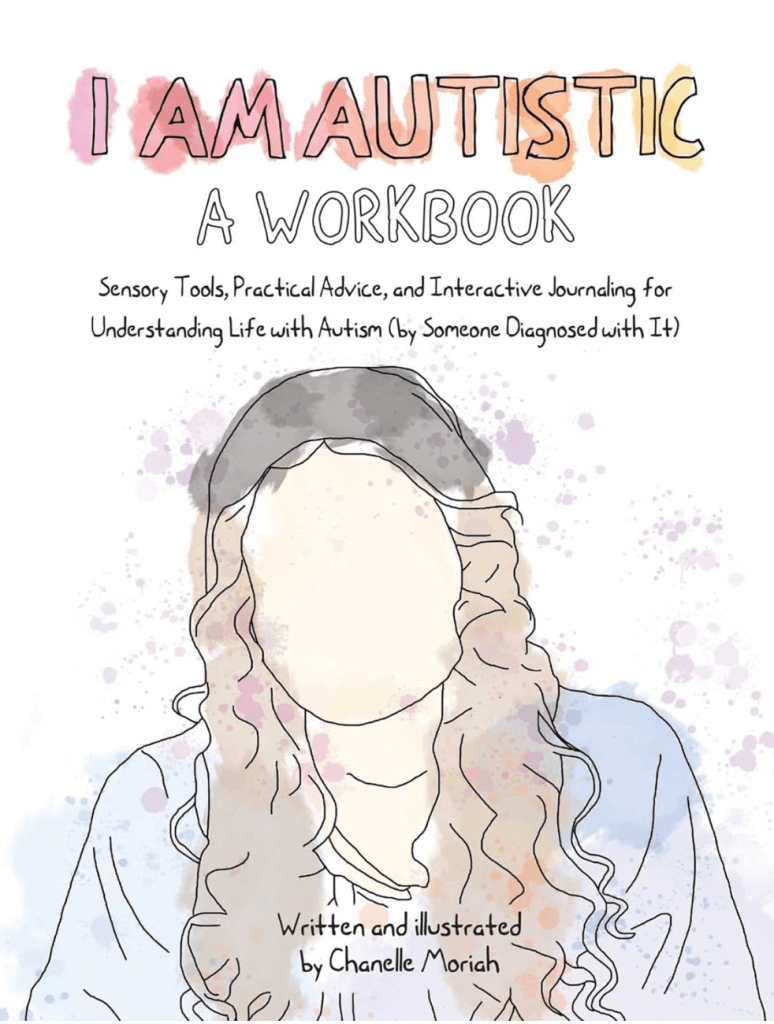
I Am Autistic, a Workbook – Sensory Tools, Practical Advice and Interactive Journaling for Understanding Life with Autism (by Someone Diagnosed with it) – Chanelle Moriah. One of my favorite workbooks for its simplicity and the beautiful hand drawn pages and illustrations.
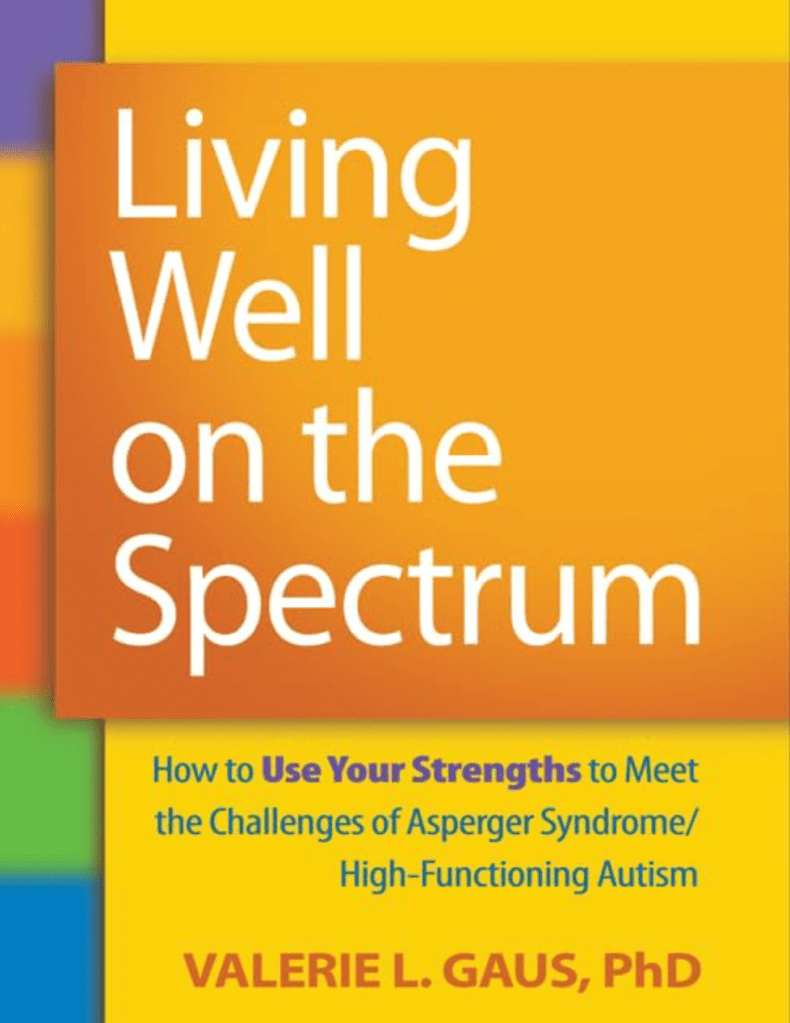
Living Well on the Spectrum – How to Use Your Strengths to Meet the Challenges of Asperger Syndrome/High-Functioning Autism – Valerie L. Gaus, PhD. A big workbook that was recommended to me after I was diagnosed. There is a great deal here, so probably something for everyone, and it has a positive attitude.
Favorite Fidgets
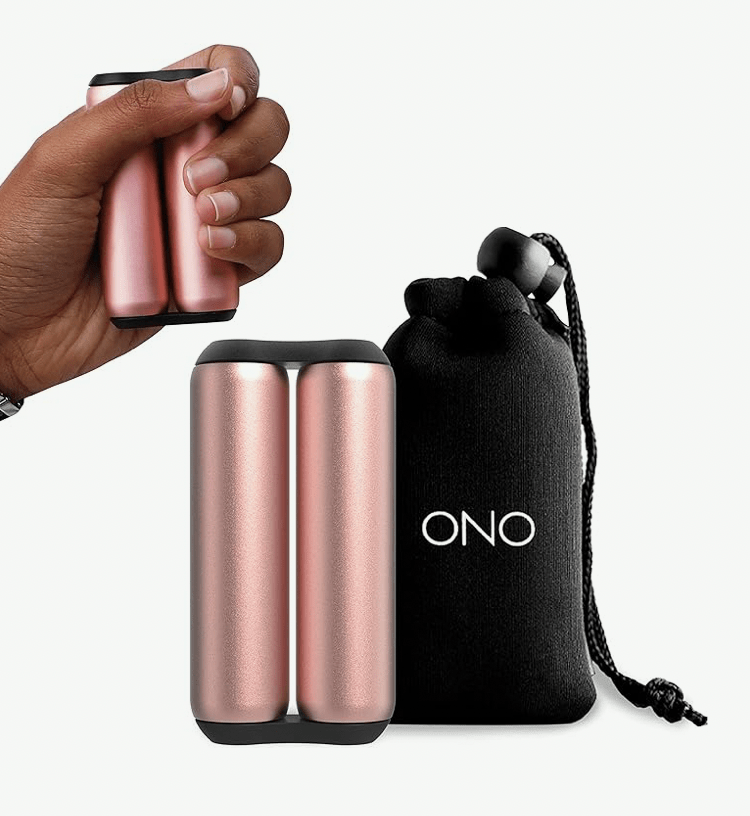
ONO Roller – One of my very favorites. This is an elegant and silent fidget that comes in several colors, sizes and materials. I like the regular size as well as the kids’ size.
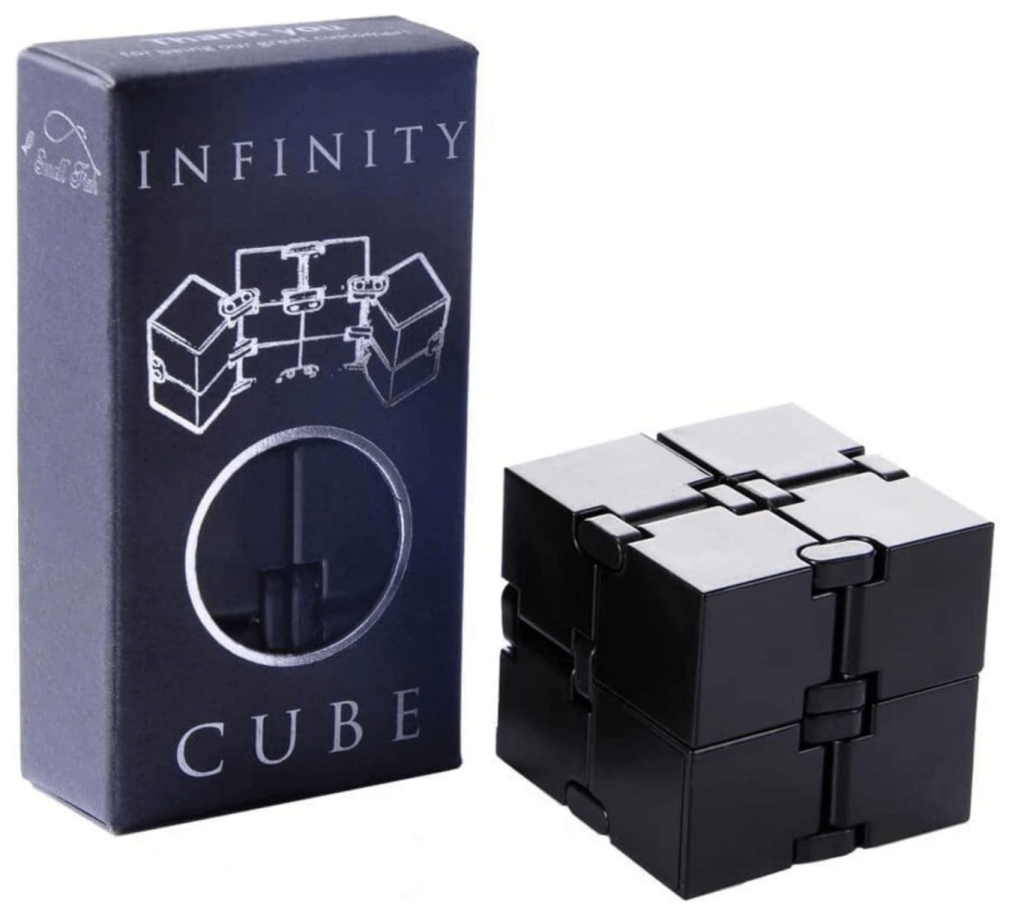
Infinity Cube – One of my favorite NON silent fidgets; it makes a satisfying clicking sound. I’ve had to replace mine a few times due to giving them as gifts when folks come over and can’t stop playing with it.
Helpful hint when purchasing fidgets: If you search specifically for “autistic” fidgets, you will get more expensive results than searching for generic fidgets.
Other Useful or Helpful Items
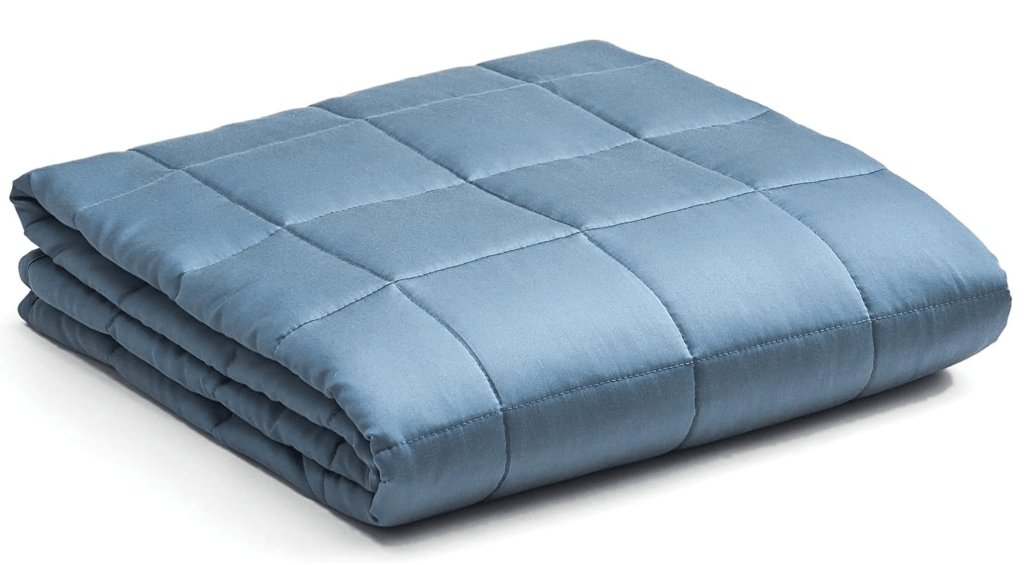
Weighted blanket – I use this one with a bamboo cover, ,which is cooling. When purchasing a weighted blanket, please bear in mind that the blanket should not weigh more than around 10% of your body weight! Also, I recommend a duvet cover (or two) because the weighted blanket will be difficult if not impossible to launder. I find that I sleep better with a weighted blanket; your milage may vary!
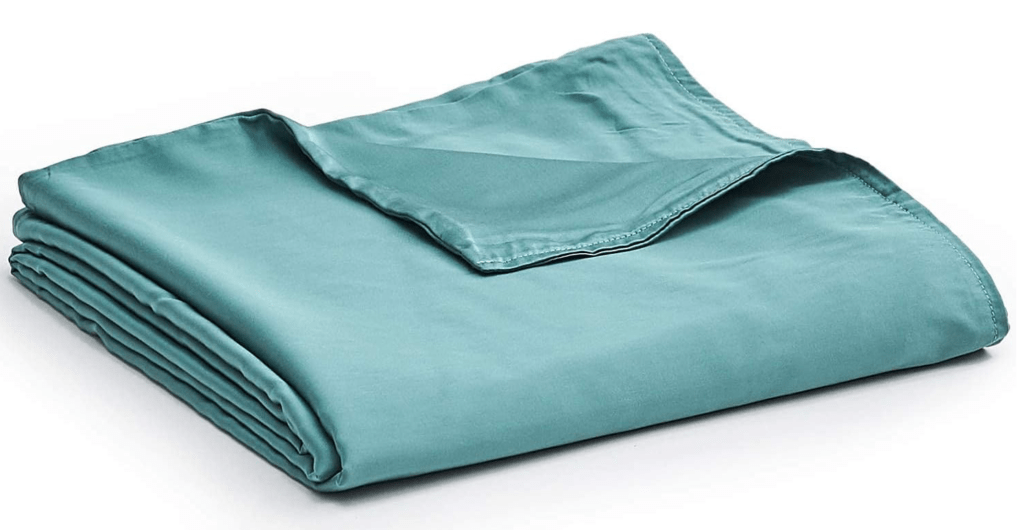
Duvet Cover – this is the one that fits my 15 lb. “Throw” size blanket
Articles
Making Sense of the Past as a Late-Diagnosed Autistic Adult This is a first person account of a mother whose children were diagnosed with Autism; she saw herself in their diagnosis and sought one herself. Learning she is autistic helped the author make sense of her childhood and later life. The author recommends celebrating the positives in your past and getting professional help to process past traumas.
Solving the Problem of Late Autism Diagnosis Researchers at the University of Virginia seek to develop better autism diagnostic tools for adults, especially women and BIPOC, who are frequently un- or under-diagnosed
Living with Autism without Knowing: receiving a diagnosis later in life – one of the first papers to document the experiences of people who received an Autism diagnosis over the age of 50.
Quotation: Receiving a diagnosis of ASC in later life will necessarily pose challenges to self-concept and possible futures (Morris, 1985). Taylor’s (1983) cognitive adaptation model suggests that individuals faced with life-changing information need to re-evaluate their sense of self and their possible futures. This re-evaluation involves three mechanisms: meaning-making, taking control and self-esteem building.
Autistic Women and Nonbinary Network (AWN) provides webinars, resource material and other supports specifically for women and nonbinary autistic individuals
Autism BC – a Canadian resource that points newly diagnosed adults towards resources and things to consider as you process your diagnosis.
When a Late Diagnosis of Autism is Life-Changing – Two women share how an Autism diagnosis changed their lives and self concepts for the better.
All About Autism in Older Adults – This article highlights some of the challenges that older autistic adults encounter, especially focusing on undiagnosed and late diagnosed individuals.
From Medium: An article with some basic advice for friends of newly diagnosed autistic adults, including Do’s and Don’ts.
The Bewilderment of Very Late Autism Diagnosis: a first hand account of how one British woman’s diagnosis impacted her life as she has processed the information.
Neurobeautiful – Blog and website of Annie Katowice, author of What I Mean When I Say I’m Autistic
Milton’s “double empathy problem:” a summary for non-Academics -Article on the Reframing Autism website which clarifies what the “double empathy problem” is and casts it in a positive framework.
 Autistic Rabbi