I have two autistic daughters. They were diagnosed around the year 2000. When the diagnostician told us about autism (they were calling it Aspergers at the time), we, the parents were told two things:
Your children need “social skills training”
And
Your children will “perseverate”
That’s it. That was the entirety of the information we were given. There was one book available at the time, by Dr. Tony Atwood and other then that, we were on our own.
Here are some of the things we did not know:
Autism is a difference, not a disorder.
“Perseverations” are actually Autistic special interests, sometimes called SPINS. These interests are intense, and we pursue them relentlessly. Sharing about our special interests is a great source of joy for us.
Autistic brains take in 42% more information at rest than allistic (non-autistic) brains, which may be one reason for sensory sensitivities.
These sensory sensitivities manifest in various ways:
- Sensitivity to noise and certain sounds
- Sensitivity to textures on the skin, such as clothing tags and certain fabrics
- Sensitivity to temperatures, either hot or cold or both
- Sensitivity to foods. Many autistic people have “safe foods” that they will always be able to eat, and often we eat the same things day after day. Even a slight variation in test or texture can be very distressing to us
- Sensitivity to visual stimuli. Some autistics love bright colors, and some of us need soft, calm colors to feel comfortable.
Autistic people frequently experience anxiety and depression. I believe these problems are not inherently “autistic” things, but they occur because we so often try to mask, camouflage or otherwise fit in with the neurotypical world.
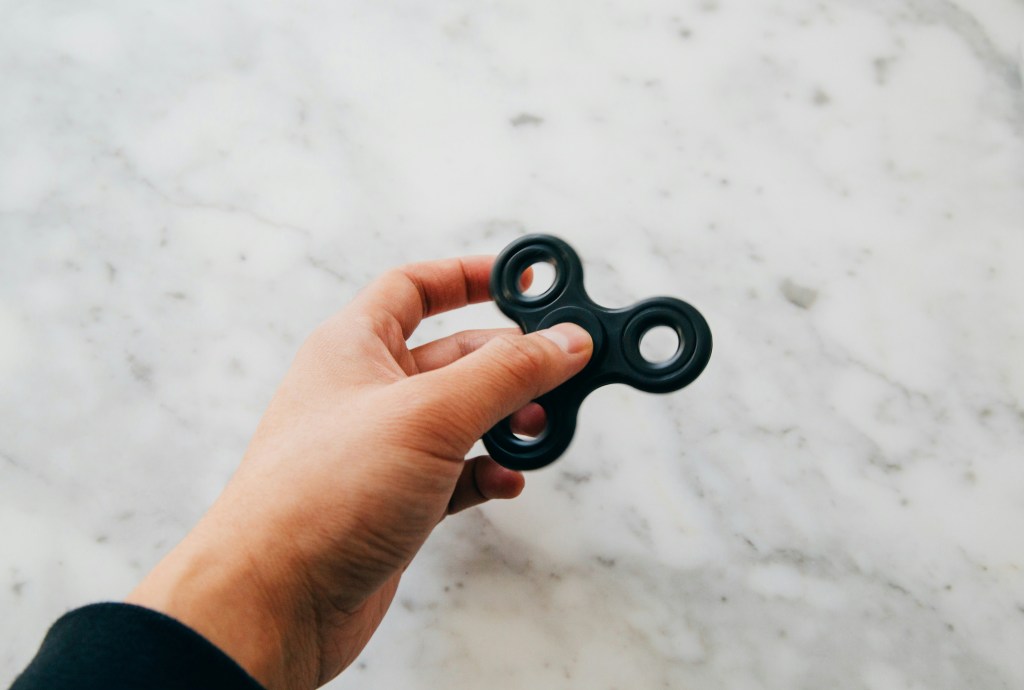
One way that autistic people can self-regulate is by “stimming”. Stimming is usually described as self-stimulating behavior, but I’d rather use the term “self-regulating” behavior. Stimming is different for all autistics, but there are some commonalities. Stimming can be obvious (i.e. hand flapping) or hidden (tapping one’s toes inside of shoes). Fidget toys and other items can help autistic people maintain emotional equilibrium.
If I had known more of these features of autism, I might have received my own diagnosis twenty years earlier than I did!
 Autistic Rabbi